Trusted Gas Detector Supplier, Dealer & Trader in Navi Mumbai and Thane
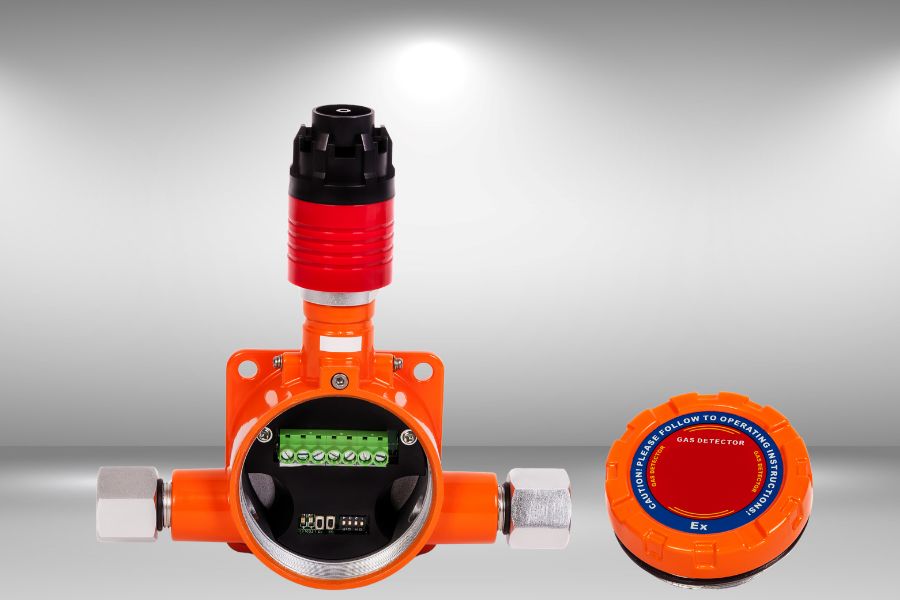
Yuraan Safety Technology's Gas Detector product has advanced gas detection solutions to guarantee safety in the workplace and compliance with regulations. A dependable Gas Detector alarm system continuously checks for the presence of dangerous gases, thus allowing people to be notified on time, lessening the risk of exposure.
Each Gas Leak Detector comes with high-precision sensors that can detect leakages in industrial and commercial facilities. The system is reliable, quick in response, and can easily be integrated with the existing safety measures.
In addition to fire detection systems, we also provide Industrial Gas Leak Detector Installation & Maintenance for industrial facilities.
Components of Gas Detector
1.Continuous monitoring of gas concentrations through the incorporation of high-accuracy sensors into the Gas Detector.
2.The management of signal processing and system coordination is done within the Gas Detector alarm system.
3.The activation of audible and visual alerts is done automatically by the Gas Leak Detector.
4.The main power supply with battery backup support guarantees uninterrupted operation.
5.Real-time gas status and fault indications are being displayed.
Types of Gas Detector
1. Fixed Gas Detectors
If located at the right places, it can monitor the hazardous gases and also ensure safety compliance.
2.Portable Gas Detectors
They are specifically made for gas monitoring in industrial and commercial areas ensuring immediate detection of toxic gas levels and increasing safety at work.
Advantages of Gas Detector
1. Early Hazard Detection
Gas Detector systems do the immediate detection of gas leaks.
2.Reliable Alarm Alerts
Automated alarm systems of Gas Detectors do the triggering during leak events, it helps to improve workplace safety.
3.Continuous Monitoring
Safety of operation is secured by Gas Leak Detector technology and continuous monitoring of the areas.
4.Regulatory Compliance
Compliance with safety standards is ensured through Gas Detector installations from time to time.
5.Cost Efficiency
Losses and interruptions are cut down as the risks are early identified by Gas Leak Detector solutions.
What Makes Yuraan Safety Technology Unique?
Yuraan Safety Technology is very reliable, and its delivery levels are also excellent. Together with the company's state-of-the-art Gas Leak Detectors and Gas Detector Alarm Systems, the entire area of Mumbai, Navi Mumbai, and Thane is guaranteed to be safe for workers.
They are one of the top Gas Detector Suppliers, Dealers, and Traders, and also ensure that all their products comply with industrial safety requirements. Yuraan Safety Technology is the best option for Mumbai, Navi Mumbai, and Thane businesses, offering quick delivery, expert consultation, and powerful safety systems.
FAQs
1. What kinds of gases can be detected?
The detection of gas brings together a huge range of both combustible and toxic gases.
2. What is the procedure for installing the gas detector?
Technicians who are well-trained and experienced perform the installation following the safety regulations.
3. Will there be maintenance for the detectors?
Calibration and maintenance performed efficiently are the factors determining the instrument's performance and accuracy over time.
4. Is it going to connect the current security solutions with the new system?
The potential for integration with the current safety and surveillance systems exists as a way to enhance the effectiveness of the operation and the risk management.