Corporate Fire Safety Compliance In Mumbai,Navi Mumbai, Thane
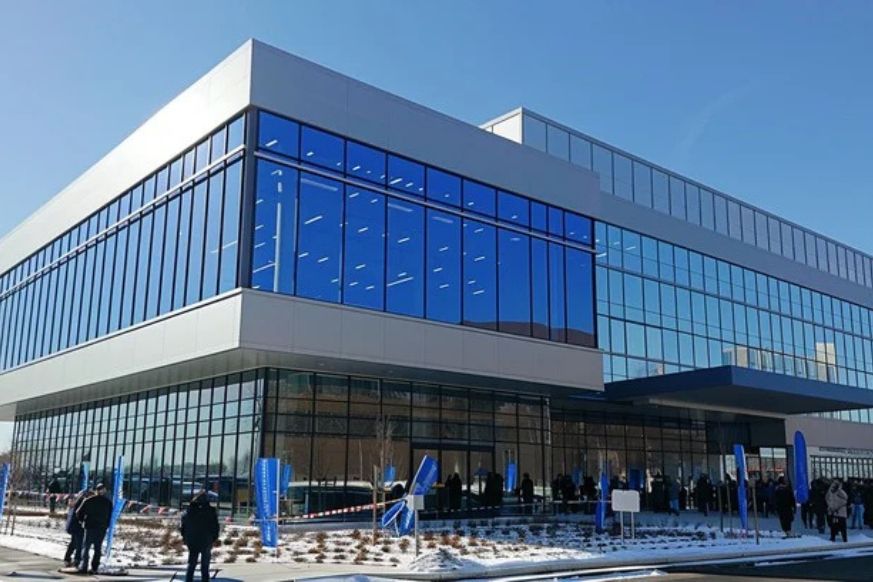
Compliance with corporate fire safety will ensure protection in the workplace
through the use of approved safety systems, risk assessments, and statutory fire
norms. Strategies in fire prevention are implemented to reduce the occurrence of
risks and preserve regulatory compliance; the same goes for emergency
preparedness plans and regular inspections. Structured compliance frameworks
ensure safety accountability and protect operational continuity across corporate
facilities.
Yuraan Safety Technology will provide corporate fire safety compliance in
the form of audits, systems design and installation, testing, and documented
certification support. Qualified procedures ensure and maintain compliance with
local and national fire regulations through periodic evaluations. A proactive
approach toward compliance should be able to limit liabilities, improve the
safety culture, and support the long-term goals for risk management.
Components of Corporate Fire Safety Compliance
1.Fire risk assessments are performed on a periodic basis to identify potential hazards and vulnerabilities.
2.Alarm and fire detection systems are installed, tested, and maintained in accordance with legal requirements.
3.The facility is adequately equipped with functioning firefighting supplies like sprinklers, hydrants, and extinguishers.
4.Evacuation routes and emergency exits must be designated and lit, and free from obstruction.
5.The staff undertake mock drills and fire safety training quite frequently.
6.The electrical systems are inspected to avoid possible short circuits and fire-related malfunctions.
7.The fire safety certificates, approval, and compliance records are up to date.
8.Schedules for preventive maintenance are followed to ensure system reliability at all times.
9.Inspections and emergency preparedness are coordinated with the local fire authorities.
Key Areas of Corporate Fire Safety Compliance
1.Fire Risk Assessment
Fire hazards have been identified, the risks assessed, and preventive measures are recorded in accordance with the relevant fire safety legislation.
2.Alarm and Fire Detection Systems
Fire alarm and detection systems approved by the authorities are installed, tested, and maintained to provide timely notification in case of an emergency.
3.Readiness of Firefighting Equipment
Sprinkler systems, hydrants, and fire extinguishers are available at all times, maintained, and inspected.
4.Planning for Emergency Exit and Evacuation
To ensure that evacuation can be done safely and orderly, clear exit signs, evacuation routes, and assembly points are kept.
5.Compliance with Electrical Safety
Electrical installations are professionally checked and maintained, causing the risk of fire because of overloads or short circuits to be greatly reduced.
6.Upkeep and routine audits
Planned testing, inspections, and third-party audits are performed to ensure ongoing compliance.
Protect your premises with reliable fire safety solutions
Connect with our experts today for the right guidance, competitive pricing, and timely delivery.
Advantages of Corporate Fire Safety Compliance
1.Regulatory Compliance
This will be less of a chance of legal action if the mandatory fire safety standards and statutory requirements are regularly followed.
2.Risk Reduction
Recognizing and managing potential fire hazards before they occur will lessen the risk to the business both operational and financial.
3.Continuity of Business
By doing this, the safety of the workplace and the protection of the company’s assets are strengthened, thus, the loss of business time caused by the fire will be minimized.
4.Assurance of Employee Safety
Regular audits, compliance checks, and inspections contribute to the establishment of a safer workplace.
5.Benefits of Insurance
Documented compliance provides much better access to insurance coverage, as well as favorable premium rates.
Industries We Serve
1.Statutory approvals and end-to-end corporate fire safety compliance have been supported for manufacturing plants and industrial facilities.
2.Commercial offices and IT parks were checked for adherence to the workplace fire safety norms and regulations that had been prescribed.
3.Hospitals and other healthcare facilities were made fire-safe in line with the mandatory fire safety compliance requirements.
4.Fire safety compliance certification was issued to the retail complexes, hotels, and shopping centres.
5.The high-rise buildings and residential societies were maintained in line with the requirements of authorized fire safety and NOC.
Installation Process of Corporate Fire Safety Compliance
1.The risk assessments and compliance audits are carried out at the sites to identify any fire hazards or legal requirements that apply to the corporate premises.
2.Fire safety layout and system design are prepared in accordance with NBC, local fire department regulations, and industry standards.
3.Certified materials and equipment are used to install approved fire detection, alarm, suppression, and evacuation systems.
4.Fire safety systems are incorporated with the current structure and power supply of the building to guarantee hassle-free operation.
5.In order to accredit the reliability of the system and also assure adherence to the regulations, testing, commissioning, and performance checks are carried out.
6.Corporate fire safety compliance is: getting certification, preparing documents, and receiving approvals from the fire department.
Why Choose Yuraan Safety Technology for Corporate Fire Safety Compliance?
Yuraan Safety Technology has been
recognized as the best in the corporate sector for fire safety compliance due to
its being a company that worked closely with the fire officers and its
regulations. To facilitate operational efficiency and give legal security,
compliance documentation, system audits, and recertification for corporate
facilities in Mumbai, Navi Mumbai, and Thane are done professionally.
The company is dedicated to delivering a whole range of fire safety services
where accuracy, reliability, and speed are the key factors. It also has the
latest installation, design, and maintenance of fire protection systems so that
it can meet all corporate compliance requirements. Offices, industrial units and
commercial establishments in Mumbai, Navi Mumbai, and Thanewill enjoy the
constant availability of committed technical support, transparent operations,
and service quality of the same standard.
FAQs
1. What does the term "corporate fire safety compliance" mean?
Corporate fire safety compliance means adherence to fire safety laws, relevant standards, and statutory norms to ensure workplace safety and risk mitigation.
2. Why is corporate property subject to fire safety regulations?
The reasons fire safety compliance is necessary are to meet legal requirements, reduce risks of fire-related hazards, and protect personnel, property, and business continuity.
3. Which regulations are included within the realm of corporate fire safety compliance?
Generally, corporate fire safety compliance covers national building codes and industry-specific fire safety standards, including local fire authority regulations.
4. What is the method of maintaining corporate fire safety compliance?
Compliance has been assured through a variety of actions that include staff awareness programs, timely system maintenance, regular audits and inspections for fire safety, among others.
Request Expert Fire Safety Compliance Services for Your Organization
Yuraan Safety Technology
provides dependable solutions to fulfill Corporate Fire Safety Compliance requirements. The company performs safety solution delivery through system audits and compliance assessments which they conduct to meet regulatory requirements. The company implements safe operations through its professional expertise and documentation support services.